

What is Residential Drug & Alcohol Rehab Treatment?
Residential rehab treatment is a structured addiction recovery program where individuals live at a treatment facility while receiving professional care to overcome drug or alcohol dependence. Treatment typically includes medical assessments, supervised detox when necessary, individual and group therapy, mental health support, and education on managing cravings, identifying triggers, and preventing relapse. Residents follow a daily routine in a safe, substance-free environment with access to trained professionals and peer support.
The goal is to address the physical, emotional, and behavioral effects of addiction, help individuals develop healthy coping strategies, and support long-term recovery. Treatment may last 30, 60, 90 days, or longer, depending on individual needs and progress.
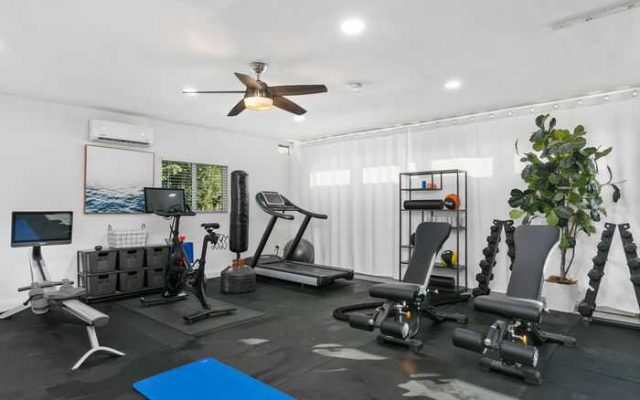
After a client is medically stable and cleared to engage in programming, clients begin to focus on their healing for the duration of the program while limiting their exposure to temptations or triggers. It gives those who are embarking on this new journey of recovery a strong foundation in addition to a chance to identify and address underlying mental health concerns that may otherwise be a barrier to ensuring long term sobriety. Residential treatment provides an opportunity for individuals to take time to regain their physical and psychological strength after dealing with an addiction and possibly an unmanaged mental health disorder. At this level of care we are encouraging recovery and healing through a combination of clinical care, medical interventions and holistic and wellness practices.
Our residential treatment program is focused on shifting the client’s perspective to one of wellness and possibility rather than limitations of an illness or diagnosis. The environment provided has a retreat-like feel offering privacy, tranquility and holistic healing in a space that is safe, structured and supportive while also identifying the patient’s next steps and resources needed to achieve long-term goals in recovery and healing.
24/7 Help – 100% Confidential Call (949) 382-1100














Take the first step in complete confidence. Our admissions team is here to listen, answer your questions, and help you explore a personalized path to recovery with the privacy and discretion you deserve.
"*" indicates required fields
What Capo Canyon Offers in Orange County, CA
These days we have a much better understanding of drug and alcohol addiction and accept that it is an illness that can be treated. There are around 14,500 addiction treatment centers around the US like our inpatient drug rehab in San Juan Capistrano, CA offering specialist rehab and recovery support with a range of both outpatient and inpatient services. But what is the difference and what is the best option for you? Here we take a look at the benefits and advantages of both inpatient and outpatient care so that you can weigh up the pros and cons.
Stabilization
Detox
Drug & Alcohol Detox
Safe, comfortable detox in a private Southern California setting. Our 24/7 nursing and psychiatric team monitor every step ??? from your first day of admission through to the start of your residential program.
Inpatient care
Residential
Private Inpatient Care
Around-the-clock residential care in a private Southern California setting. Our clinical team provides individualized treatment and 24/7 support, giving you the space to step away from work and focus fully on recovery.
The Benefits of Inpatient Treatment
Inpatient treatment is when the individual stays at the facility. This completely removes them from all the places and people they associate with substance abuse and immerses them in the healing process. This is particularly advantageous for people who have long-term substance abuse issues or who also have a co-existing mental illness or dual-diagnosis patients.
Addiction is invariably a complex illness that requires an individual treatment approach delivered in a program devised specifically for the individual. Inpatient treatment allows therapists and clinicians ample opportunity to adapt programs and monitor the progress of each patient in a completely sober environment to best prepare them for returning home.
Benefits may include:
- 24/7 Professional Support: Access to trained medical staff and addiction specialists in a structured, supportive environment.
- Safe, Substance-Free Environment: Separation from everyday triggers, negative influences, and situations that may encourage substance use.
- Medically Supervised Detox: Medical monitoring and support to manage withdrawal symptoms safely when needed.
- Personalized Treatment Plans: Care tailored to each individual’s substance use history, physical health, and emotional needs.
- Individual and Group Therapy: Opportunities to address underlying issues, build self-awareness, and learn from others in recovery.
- Mental Health Support: Treatment for co-occurring conditions such as anxiety, depression, and trauma.
- Relapse Prevention Skills: Practical strategies to manage cravings, recognize triggers, and cope with stress.
- Healthy Daily Routines: Structured schedules that encourage positive habits, self-discipline, and overall well-being.
- Peer Support and Connection: Opportunities to build supportive relationships with others experiencing similar challenges.
- Long-Term Recovery Planning: Aftercare resources, counseling, and ongoing support to help maintain recovery after discharge.
What to Expect During Residential Addiction Treatment
During residential addiction treatment, individuals live in a structured, supportive environment where they receive professional care to overcome substance use and build a foundation for lasting recovery. Each day typically includes regular meals, wellness activities, individual counseling, group therapy, educational sessions, and personal reflection. A sample daily schedule may include breakfast at 8:00 AM, group therapy at 9:00 AM, individual counseling or recovery education at 10:30 AM, lunch at noon, life skills or wellness activities at 1:00 PM, relapse prevention groups at 2:30 PM, dinner at 5:30 PM, peer support meetings at 7:00 PM, and personal reflection before bedtime. Schedules vary by facility and individual treatment needs.
Treatment includes several evidence based therapies designed to address the causes and patterns of addiction. Cognitive Behavioral Therapy (CBT) helps individuals recognize harmful thoughts and behaviors and replace them with healthier responses. Individual therapy provides private support for personal challenges, trauma, and emotional concerns. Group therapy encourages connection, accountability, and shared learning. Family therapy helps rebuild trust and improve communication when appropriate. Motivational Interviewing helps strengthen personal commitment to recovery, while relapse prevention counseling teaches practical ways to manage cravings, identify triggers, and respond to high risk situations.
Weekly goals provide structure and help residents measure progress throughout treatment. During the first week, the focus is typically on adjustment, assessment, stabilization, and understanding personal treatment needs. In the second week, residents begin identifying triggers, exploring patterns of substance use, and practicing coping skills. By the third week, goals may include improving emotional regulation, strengthening communication, addressing underlying issues, and developing healthier routines. In later weeks, residents focus on building confidence, managing cravings, strengthening support networks, and preparing for life after treatment.
As treatment progresses, residents work toward greater independence and sustainable recovery. They may practice stress management, develop healthy sleep and exercise habits, participate in peer support groups, and create a personalized aftercare plan. Before discharge, the treatment team helps identify ongoing needs and arrange appropriate follow up care, such as outpatient counseling, medication management, recovery meetings, or sober living. Progress varies from person to person, and treatment plans are adjusted to support individual recovery goals.
Does Insurance Cover Residential Rehab Treatment in Orange County, CA?
Yes, health insurance often covers residential drug and alcohol rehab treatment in Orange County, California, depending on your insurance plan, medical necessity, and the treatment facility’s network status. Major insurance providers that may cover inpatient addiction treatment include Aetna, Blue Cross Blue Shield, Anthem Blue Cross, Cigna, UnitedHealthcare, and Kaiser Permanente. Coverage may include detox, residential treatment, therapy, and medication management, subject to plan benefits and authorization requirements.
Is Residential Rehab Confidential?
Residential rehab treatment is generally confidential in Orange County, California. Several laws protect your privacy, including HIPAA, the federal health privacy law; 42 CFR Part 2, which provides special confidentiality protections for substance use disorder treatment records; and California Health and Safety Code § 11845.5, which protects patient identity and treatment records in covered alcohol and drug treatment programs. These laws generally prevent treatment facilities from disclosing your information without proper authorization, except in certain legally permitted or required circumstances.
Attending rehab alone generally does not appear on a standard criminal background check or create a public criminal record. However, a separate DUI, arrest, conviction, or court case may appear independently of treatment. Insurance claims may document treatment in your private insurance records, and authorized healthcare providers or insurers may access information as permitted by law. Certain exceptions also allow disclosures for medical emergencies, mandatory reporting, qualifying audits, or specific legal proceedings. Before enrolling, ask the facility how it protects records, whether federal Part 2 rules apply, and what information may be shared with insurers or outside providers.
Can I Work During Residential Rehab Treatment?
Whether you can work during residential rehab depends on the facility’s policies, treatment schedule, and your recovery needs. Many residential programs prioritize therapy, recovery activities, and structured treatment throughout the day, which can make working remotely difficult or restrict access to phones, laptops, and Wi-Fi. However, some facilities offer more flexibility for residents who need to maintain employment or manage work responsibilities while receiving treatment.
Capo Canyon Recovery in San Juan Capistrano, Orange County, is a work-friendly option for professionals who need to stay connected during treatment. Its Executive Program allows clients to bring their phones and computers, with Wi-Fi access and device use generally permitted outside required therapy sessions and groups. Working is possible when responsibilities do not interfere with treatment, and access may be adjusted based on clinical needs.
Signs it is Time for Residential Rehab Treatment?
- You Can’t Stop on Your Own: Repeated attempts to quit or cut back on drugs or alcohol have been unsuccessful.
- Substance Use Is Affecting Daily Life: Addiction is interfering with your work, relationships, finances, or responsibilities.
- You’ve Experienced Relapses: You continue returning to substance use despite trying to recover.
- Your Health Is Suffering: Substance use is affecting your physical health, mental well-being, sleep, or emotional stability.
- Outpatient Treatment Isn’t Enough: Counseling or outpatient programs have not provided the level of support you need.
- You’re Struggling With Mental Health: Anxiety, depression, trauma, or stress are contributing to substance use and require coordinated care.
- Your Environment Makes Recovery Difficult: Easy access to substances, social pressures, or stressful living conditions make it hard to maintain sobriety.
- You’re Experiencing Withdrawal Symptoms: You experience shaking, sweating, nausea, or other symptoms when stopping. Alcohol and certain drug withdrawals can be dangerous, so seek medical guidance before quitting abruptly.
- You’re Hiding or Minimizing Your Substance Use: You conceal how much you use or find yourself prioritizing substances over important commitments.
- You Want a Structured Fresh Start: You recognize that you need dedicated time, professional guidance, and a supportive environment to build lasting recovery.
Other Levels of Care
- Partial Hospitalization Program (PHP): Intensive daytime treatment with multiple therapy sessions while living at home or in supportive housing.
- Intensive Outpatient Program (IOP): Several hours of treatment per week, allowing individuals to maintain work, school, and family responsibilities.
- Standard Outpatient Treatment: Scheduled counseling and therapy sessions for individuals who need ongoing support with greater flexibility.
If you are addicted to or dependent on a substance or alcohol it can be difficult to make changes on your own. Unless you remove yourself from triggers, stressors, associates, and places linked to your addiction you are likely to relapse. An inpatient treatment program in Orange County could be just what you need to help you quit, make the necessary changes and establish new ways to help you move forward in sobriety.
The Capo Canyon Difference in California
- Our Staff: Our staff includes compassionate therapists, 24/7 nursing, and certified medical staff that know what you are going through and provide non-judgmental, experienced care.
- Our Environment: The environment provided has a retreat-like feel offering privacy, tranquility, and holistic healing in a space that is safe, structured, and supportive while also identifying the patient’s next steps and resources needed to achieve long-term goals in recovery and healing.
- Private and individualized treatment
- Boutique approach – Max 5 clients
- Access to a range of therapeutic modalities
- An individualized treatment plan
- A personal, primary therapist
- Dual diagnosis treatment program
- Non-12 Step and Alternative options
- Holistic Addiction treatment
- Trauma-Informed care
- Psychiatry services
- 24/7 on-site nursing
How to Get Started With Residential Treatment With Capo Canyon
Your treatment will begin with evaluation and assessment of your particular situation and a team of specialists; medical, psychological and therapeutic, will create a plan for how to proceed, taking into consideration any physical and mental health issues you may have.
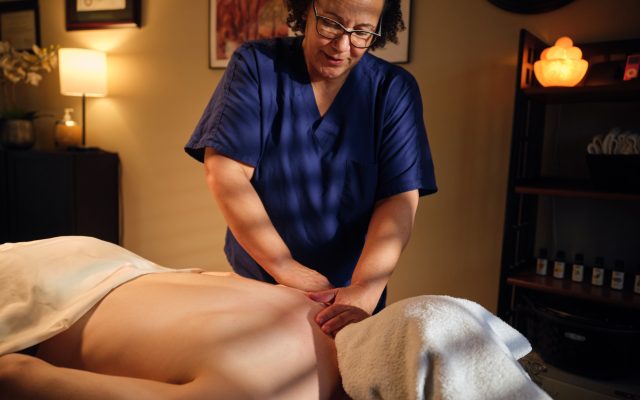
During the first stages of abstinence and withdrawal, experienced staff can help you address concerns which arise at this time of detox and cleansing. At Capo Canyon we offer massage, acupuncture, yoga, meditation, and counseling as well as any medical help required to ease any discomfort which can occur. It is at this first hurdle that many people fall and where residential rehab can help you succeed.
An inpatient rehab program provides an intensive, focused environment in which you take part in active addiction treatment. This includes individual and group therapy, addiction education, relapse prevention training, counseling, introduction to the 12 step program, aftercare planning and continued support. By staying at a rehab center, you can devote yourself entirely to your recovery and increase your chance of long-term success.
Removal from stressors, triggers, associates, and places that may have enabled your addictive behavior is highly effective and a residential program could be the best investment you could make in your future. An intensive drug or alcohol residential rehab can help you make the changes needed and then provide you with the tools you need to reintegrate into society in a better frame of mind. An aftercare plan including attendance at meetings will help keep you on track.
24/7 Help – 100% Confidential Call (949) 382-1100