

Countless substances are responsible for destroying the lives of those who live with addictions, but few are so socially accepted and even normalized as alcohol is. In the US, while alcohol use and binge drinking are often seen as being part of many holiday celebrations, it is responsible for millions and millions of deaths over the years. Developing an alcohol addiction is common in Southern California, which means it’s important to know how to get treatment for alcohol addiction in Orange County.
24/7 Help – 100% Confidential Call (949) 382-1100















Take the first step in complete confidence. Our admissions team is here to listen, answer your questions, and help you explore a personalized path to recovery with the privacy and discretion you deserve.
"*" indicates required fields
What is Alcohol Addiction?
Alcohol addiction, also known as Alcohol Use Disorder (AUD), is a chronic medical condition characterized by an inability to control or stop drinking despite experiencing negative consequences to one’s health, relationships, work, or daily life. It involves both physical and psychological dependence, often leading to increased tolerance, cravings, withdrawal symptoms, and compulsive drinking. Alcohol addiction can affect brain function, emotional well-being, physical health, and decision-making. Without proper treatment, it can contribute to serious health complications, including liver disease, heart problems, depression, and anxiety. Treatment may include medical detox, counseling, evidence-based therapies, medication, and ongoing recovery support.
Symptoms of Alcohol Addiction
Some common signs and symptoms of alcohol addiction include:
Behavioral Symptoms
- Lying or hiding drinking habits
- Becoming defensive when drinking or treatment is brought up
- Prioritizing drinking over other responsibilities or activities, frequently even leading to them abandoning activities or hobbies they once enjoyed
- Neglecting personal hygiene or appearance
- Engaging in risky or dangerous behaviors while drinking, such as drunk driving or reckless casual sex
- Isolation from friends and family, often replacing the social circles with others who drink
- Failing to maintain performance levels at school or work, even suffering disciplinary measures or termination because of the drinking
- Damage to interpersonal and domestic relationships, even estrangement of children, parents, and spouses
Psychological Symptoms
- Depression, anxiety, or irritability when not drinking
- Emotional instability with rapid mood swings
- Insomnia or disrupted sleep patterns
- Failing to maintain responsibilities
- Changes in personality
- Difficulty concentrating or memory loss
- Cravings or obsession with obtaining alcohol
- Delusions or hallucinations for heavy drinkers, particularly during withdrawals
Physical Symptoms
- Drinking larger and larger amounts of alcohol
- Developing tolerance to alcohol, requiring increased amounts to achieve the same effects
- Spending a considerable amount of time either getting, using, or recovering from alcohol
- Beginning to feel withdrawal symptoms, such as tremors, nausea, or seizures when not drinking
- Changes in weight, often losing weight or body mass, due to changes in diet and the malnutrition that results from high levels of consistent alcohol intake
- Liver damage, gastrointestinal problems, cardiovascular issues, central nervous system issues, and damage to every system in the body
- Injuries from being intoxicated and falling or engaging in dangerous behavior
- Blackouts or memory loss while drinking, are more common with very heavy drinkers but can occur in anyone with a high enough blood-alcohol content (BAC)
If you or someone close to you are showing some of these signs, there is a chance of an active alcohol addiction, and professional treatment should be considered. At Capo Canyon, we recognize that every individual’s addiction experience is unique, which is why we offer so many ways to get treatment for alcohol addiction in Orange County while experiencing an overall atmosphere of luxury and healing.
What Causes Alcohol Addiction?
Alcohol addiction develops through a combination of genetic, psychological, environmental, and biological factors. Repeated alcohol use changes the brain’s reward system, making drinking increasingly reinforcing and difficult to control. Alcohol increases the effects of GABA, a neurotransmitter that slows brain activity, while suppressing glutamate, which is involved in brain stimulation and communication. It also increases dopamine activity in the brain’s reward pathway, creating feelings of pleasure and reinforcing the desire to drink. Over time, the brain adapts to repeated alcohol exposure, resulting in tolerance, cravings, and reduced ability to experience pleasure without alcohol. These changes can affect the prefrontal cortex, which controls decision-making, impulse control, and judgment, making it harder to resist drinking. When alcohol use is reduced or stopped, the brain may become overstimulated, causing withdrawal symptoms such as anxiety, irritability, tremors, sweating, and, in severe cases, seizures. This cycle of reward, brain adaptation, dependence, and withdrawal can contribute to the development of Alcohol Use Disorder.
Risk Factors & Dangers of Alcohol Addiction
Alcohol addiction can develop due to a combination of genetic, psychological, biological, and environmental factors. Certain individuals may be more vulnerable to developing Alcohol Use Disorder, particularly those with a family history of addiction, mental health conditions, or early exposure to alcohol.
Risk Factors
- Genetics and Family History: Having relatives with alcohol addiction can increase the risk of developing AUD.
- Mental Health Conditions: Depression, anxiety, PTSD, and other mental health disorders may increase the likelihood of using alcohol to cope with emotional distress.
- Early Alcohol Exposure: Beginning to drink at a young age increases the risk of developing alcohol-related problems later in life.
- Trauma and Stress: Childhood trauma, abuse, chronic stress, and difficult life experiences can contribute to problematic drinking.
- Environmental Influences: Peer pressure, family drinking patterns, and social environments where alcohol use is normalized can increase risk.
- Chronic Alcohol Consumption: Frequent or excessive drinking can lead to tolerance, physical dependence, and addiction.
Dangers of Alcohol Addiction
- Liver Damage: Can cause fatty liver disease, alcoholic hepatitis, cirrhosis, and liver failure.
- Brain Damage: Can impair memory, concentration, judgment, and decision-making.
- Heart Problems: Increases the risk of high blood pressure, heart disease, stroke, and abnormal heart rhythms.
- Mental Health Problems: Can worsen depression, anxiety, mood instability, and suicidal thoughts.
- Physical Dependence: Can cause withdrawal symptoms, including tremors, sweating, nausea, seizures, and potentially life-threatening delirium tremens.
- Relationship Problems: Can contribute to family conflict, isolation, and loss of trust.
- Financial and Legal Consequences: May lead to job loss, financial difficulties, DUI charges, and other legal problems.
- Increased Cancer Risk: Long-term alcohol consumption increases the risk of several cancers, including breast, liver, colorectal, mouth, and throat cancer.
How is Alcohol Addiction Diagnosed?
Alcohol addiction is diagnosed by a qualified healthcare professional using the criteria for Alcohol Use Disorder (AUD) outlined in the Diagnostic and Statistical Manual of Mental Disorders (DSM-5-TR). Diagnosis involves evaluating an individual’s drinking patterns, behaviors, physical symptoms, and the impact of alcohol use on daily life over the previous 12 months. Healthcare professionals typically conduct a clinical interview, review medical and mental health history, and assess symptoms such as cravings, increased tolerance, unsuccessful attempts to stop drinking, withdrawal symptoms, and continued alcohol use despite negative consequences. The DSM-5-TR identifies 11 diagnostic criteria, and experiencing at least two within a 12-month period may indicate AUD. Severity is classified as mild (2–3 symptoms), moderate (4–5 symptoms), or severe (6 or more symptoms). Healthcare providers may also use screening tools such as the Alcohol Use Disorders Identification Test (AUDIT) and conduct physical examinations or laboratory tests to evaluate alcohol-related health complications.
Stabilization
Detox
Drug & Alcohol Detox
Safe, comfortable detox in a private Southern California setting. Our 24/7 nursing and psychiatric team monitor every step — from your first day of admission through to the start of your residential program.
Inpatient care
Residential
Private Inpatient Care
Safe, comfortable detox in a private Southern California setting. Our 24/7 nursing and psychiatric team monitor every step — from your first day of admission through to the start of your residential program.
Alcohol use disorder is a highly complex spectrum condition, and despite decades of research, there are still only factors that can be said to have a quantifiable influence. There’s no single cause, but there are environmental and genetic factors that can all factor into the chance of someone becoming an alcoholic or developing Alcohol Use Disorder.
Genetic factors are one of the most significant factors when determining elevated risk. Someone with a family history or someone with a close relative, such as a parent or sibling that has an addiction, will be predisposed to addiction. Environmental factors like being exposed to addiction at an early age also hold a strong influence.
24/7 Help – 100% Confidential Call (949) 382-1100
TAKE THE FIRST STEP
Your most important
venture
starts with one call.
Speak with our team in complete confidence. We’ll listen, understand and outline a path forward – entirely on your terms.
All enquiries are strictly confidential
How is Alcohol Addiction Treated?
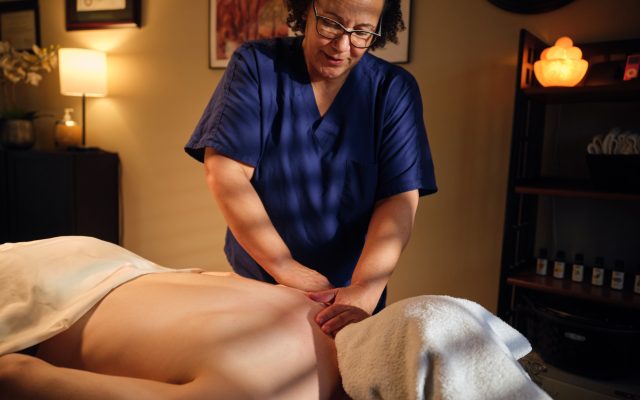
Individuals considering getting alcohol addiction treatment in Orange County often wonder what the treatment is going to be like; what options they may have. At a treatment center like Capo Canyon, we offer a wide range of evidence-based treatments like medication-assisted detox, psychiatry, psychotherapy, inpatient treatment, and outpatient programs, as well as holistic and alternative therapy options like meditation, yoga, mindfulness exercises, and more can help the recovering individual have a more well-rounded, dual diagnosis treatment and recovery plan.
The first step in treatment will often be an inpatient detox program, that allows the individual to fully eliminate alcohol from their body with the support and help of medical professionals and clinicians. After detox, residential treatment programs provide the ideal luxury setting to learn more effective coping mechanisms for triggering events or situations and to address any potential dual diagnoses. Along with psychotherapy, group therapy, and relapse prevention education, there will be a variety of holistic activities to help foster healing and recovery.
After inpatient programs are completed, outpatient programs can provide ongoing support and recovery education, while the patient returns to their home or sober living facility for independent living. They will travel to the treatment center a few times a week for a few hours each day to continue treatment. This can even be intensified to an intensive outpatient program or partial hospitalization program, depending on the needs of the patient.
Aftercare is another essential component, providing ongoing support for the individual as they adapt to their new sober life. 12-step programs are also common at this stage since social support in recovery is so essential, but it is not a requirement.
What Therapies Are Used to Treat Alcohol Addiction?
- Cognitive Behavioral Therapy (CBT): Helps individuals identify negative thought patterns, recognize drinking triggers, and develop healthier coping strategies.
- Dialectical Behavior Therapy (DBT): Teaches emotional regulation, distress tolerance, and stress management to reduce alcohol use as a coping mechanism.
- Motivational Interviewing (MI): Helps individuals strengthen their motivation and commitment to reducing or stopping alcohol consumption.
- Motivational Enhancement Therapy (MET): Uses structured counseling sessions to increase awareness of drinking behaviors and encourage positive lifestyle changes.
- Contingency Management (CM): Uses rewards and positive reinforcement to encourage treatment participation and alcohol-free behaviors.
- Relapse Prevention Therapy: Helps individuals identify high-risk situations, manage cravings, and develop strategies to prevent returning to alcohol use.
- Family Therapy: Addresses relationship challenges, improves communication, and builds a supportive home environment for recovery.
- Group Therapy: Provides a supportive setting where individuals share experiences, learn coping skills, and encourage one another throughout recovery.
- 12-Step Facilitation Therapy: Introduces individuals to structured recovery principles and peer-support programs such as Alcoholics Anonymous (AA).
How Long Does Alcohol Addiction Treatment Take?
The length of alcohol addiction treatment depends on the severity of Alcohol Use Disorder (AUD), the individual’s health, and the level of care needed. Medical detoxification typically takes 3–7 days, although withdrawal symptoms may last longer. Residential treatment generally lasts 30–90 days, depending on the individual’s recovery needs and treatment plan. Partial Hospitalization Programs (PHP) typically involve 2–6 weeks of structured treatment, while Intensive Outpatient Programs (IOP) often last 6–12 weeks or longer, with several treatment sessions per week. Standard outpatient treatment may continue for 3–6 months or longer, depending on progress and individual needs.
Recovery does not end when a formal treatment program is completed. Many individuals benefit from ongoing individual counseling, group therapy, medication management, and peer-support programs such as Alcoholics Anonymous (AA). Long-term recovery is an ongoing process, and treatment duration should be individualized to support lasting sobriety, prevent relapse, and improve overall well-being.
What Medications Can Help Treat Alcohol Addiction?
Several FDA-approved medications can help treat Alcohol Use Disorder (AUD) by reducing cravings, decreasing the rewarding effects of alcohol, and supporting long-term recovery. These medications are typically used alongside counseling and behavioral therapies.
Naltrexone (Vivitrol or Revia): Helps reduce alcohol cravings and the pleasurable effects of drinking, making it easier to reduce or stop alcohol consumption.
Acamprosate (Campral): Helps reduce symptoms associated with prolonged alcohol withdrawal and supports individuals who have already stopped drinking by helping maintain abstinence.
Disulfiram (Antabuse): Produces unpleasant physical reactions, such as nausea, flushing, and vomiting, when alcohol is consumed. It works as a deterrent to drinking.
Topiramate (Topamax): An anticonvulsant medication sometimes prescribed off-label to reduce alcohol cravings and heavy drinking.
Gabapentin (Neurontin): Sometimes prescribed off-label to help manage alcohol-related withdrawal symptoms, sleep disturbances, and cravings.
Important: Naltrexone, acamprosate, and disulfiram are FDA-approved medications for treating alcohol dependence. Topiramate and gabapentin are sometimes used off-label. Medication selection should be based on an individual’s medical history, symptoms, and treatment needs. Medical supervision is important, particularly when stopping alcohol after prolonged heavy drinking.
Does Insurance Cover Alcohol Addiction Treatment in Orange County, CA?
Yes, most major health insurance providers cover alcohol addiction treatment in Orange County, California, when services are considered medically necessary. Major providers include Aetna, Anthem Blue Cross, Blue Shield of California, Cigna Healthcare, UnitedHealthcare (Optum), Kaiser Permanente, Health Net, and Humana. Depending on the insurance plan, coverage may include medical detoxification, residential rehabilitation, intensive outpatient programs (IOP), individual and group counseling, evidence-based therapies such as Cognitive Behavioral Therapy (CBT), and medications for Alcohol Use Disorder (AUD), including naltrexone and acamprosate.
Choosing the Right Alcohol Addiction Treatment Center in Orange County
When it comes to choosing the right treatment center for your needs, you may be surprised to find out that there are many options available for alcohol treatment in Orange County. What most of them can’t offer, however, is the incredibly luxurious, private and ultra-comfortable environment that Capo Canyon offers.
Not only do we offer the latest in clinically proven, evidence-based treatments and holistic treatments, but we offer full executive treatment. You can recover in full privacy, protected by HIPAA, while also maintaining contact with the outside world and even continuing to work from rehab. The only people that will know you’re in rehab are those that you want to know. Bring your smartphone and laptop, and we’ll make sure you never miss a meeting while you build a solid foundation for long-term recovery.
Our setting is nothing short of idyllic, so you can enjoy a healthy, quiet environment in which to start your journey to a healthier life. You’ll enjoy a private room with secure wifi and full electronic access for work flexibility. When you speak with our admissions specialist, they will work with you to coordinate a pre-admission agreement that ensures your work will not be disrupted and that the treatment will be built around your specific needs. You even have a private gourmet chef to prepare meals daily, which can be customized to your dietary or religious requirements.
100% Confidential Call (866) 985-4792
Capo Canyon Is The Leading Drug And Alcohol Rehab In Newport Beach
For those struggling with addiction who feel that the time is right to use one of the leading luxury rehab centers in Newport Beach, Capo Canyon is ready to become your recovery partner. Reach out today to speak with one of our local addiction experts, and to begin building your personalized treatment plan.
- A safe and supportive environment
- Individualized treatment plans
- Privacy and discretion
- A range of treatment methods
- An opportunity to rebuild relationships
- Work flex options
- A retreat to focus on your life
If you or someone you care about is battling alcoholism, the best first step is to reach out to a trusted, local expert like Capo Canyon for professional help. At ourCalifornia luxury drug and alcohol rehab center, we understand that every individual’s journey to recovery is different. That’s why we provide treatment plans that address co-occurring mental health conditions, ensuring a holistic and effective approach to addiction recovery. Reach out today, and you can privately discuss your treatment needs with an expert member of our recovery team, and begin creating your personalized treatment plan.