

Capo Canyon Logo
  • Home
  • Who We Are
    • Meet Our Team
    • Explore Our Facility
    • Executive Rehab in OC
    • Private Rooms
    • Tech Friendly
    • Chef Prepared Meals
  • Programs
    • Drug & Alcohol Detox
    • Dual Diagnosis Treatment
    • Executive Program
    • Work From Rehab
    • Private Treatment
    • Residential Treatment
    • Medication Stabilization
    • Extended Care Program
  • What We Treat
    • Adderall Treatment
    • Addiction Treatment
    • ADHD Treatment
    • Alcohol Treatment
    • Anxiety Treatment
    • Benzo Addiction Treatment
    • Bipolar Disorder Treatment
    • Cocaine Addiction Treatment
    • Depression Treatment
    • Fentanyl Addiction
    • Ketamine Addiction Treatment
    • Opiate Addiction Treatment
    • Prescription Drugs Treatment
    • Process Addiction Treatment
    • Marijuana Addiction Treatment
    • Meth Addiction Treatment
    • Trauma Treatment
  • Modalities
    • Acceptance and Commitment Therapy
    • Art Therapy
    • Brainspotting
    • Cognitive Behavioral Therapy
    • EMDR
    • Evidence Based Therapy
    • Family Therapy
    • Holistic Therapy Services
    • Individual Therapy
  • Admissions
    • Verify Insurance
    • What to Bring
    • FAQs
    • Why Choose a Luxury Rehab
    • Blog
  • Contact
(949) 382-1100
Call or Text
Capo Canyon Logo
(949) 382-1100
Call or Text
  • Home
  • Who We Are
    • Meet Our Team
    • Explore Our Facility
    • Executive Rehab in OC
    • Private Rooms
    • Tech Friendly
    • Chef Prepared Meals
  • Programs
    • Drug & Alcohol Detox
    • Dual Diagnosis Treatment
    • Executive Program
    • Work From Rehab
    • Private Treatment
    • Residential Treatment
    • Medication Stabilization
    • Extended Care Program
  • What We Treat
    • Adderall Treatment
    • Addiction Treatment
    • ADHD Treatment
    • Alcohol Treatment
    • Anxiety Treatment
    • Benzo Addiction Treatment
    • Bipolar Disorder Treatment
    • Cocaine Addiction Treatment
    • Depression Treatment
    • Fentanyl Addiction
    • Ketamine Addiction Treatment
    • Opiate Addiction Treatment
    • Prescription Drugs Treatment
    • Process Addiction Treatment
    • Marijuana Addiction Treatment
    • Meth Addiction Treatment
    • Trauma Treatment
  • Modalities
    • Acceptance and Commitment Therapy
    • Art Therapy
    • Brainspotting
    • Cognitive Behavioral Therapy
    • EMDR
    • Evidence Based Therapy
    • Family Therapy
    • Holistic Therapy Services
    • Individual Therapy
  • Admissions
    • Verify Insurance
    • What to Bring
    • FAQs
    • Why Choose a Luxury Rehab
    • Blog
  • Contact
Capo Canyon Logo
READ MORE
Addiction and Rehab News
July 05by Capo Canyon0 Comments

Breaking the Cycle of Addiction

Have you heard of the “cycle of addiction”? It is created by changes produced in brain chemistry and perpetuated by physiological, psychological, and emotional dependency. Even with willpower and effort, people are not able to break from the influence of addiction. You may have experienced being caught in this vicious cycle before. This cycle of addiction continues unrestrained until some type of intervention occurs.

Understanding the Addiction Cycle

People use drugs and alcohol for different reasons. Some people experiment because they are curious, while others are exposed to prescription opioids as means of prescribed pain relief. On the other hand, many people use drugs or alcohol to cope with bereavement. But once individuals develop higher levels of tolerance and dependency on these substances, the cycle of addiction begins.

It starts with an emotional trigger. This can be a thought or memory that is rooted in past pain or trauma. Sometimes there are multiple triggers involved. Either consciously or unconsciously, there is an urge to suppress or shut down these unpleasant emotions. Next, the emotional trigger or triggers may lead to stronger cravings for drugs or alcohol.

By then, the body has learned to use drugs or alcohol as a routine way to turn off unpleasant emotions. Cravings are like tidal waves that can grow stronger, overwhelming, and even all-consuming. Using drugs or alcohol becomes the most important thing in life. One’s attention is absorbed by the need for substances and how to procure them.

When cravings finally give way to the actual procurement of substances and people begin using them, their senses and emotions turn off. It is as if what was triggering them no longer matters. They are consumed by the single activity of substance-induced pleasure. After the effects of substance use are gone, they may begin feeling guilty. This guilt feeds into the next cycle of stress.

Breaking From the Vicious Cycle

The first step is to identify this cycle pattern. You may want to receive a professional evaluation to help you identify common triggers of your substance use. A mental health professional can assess the severity of your addiction and whether you need certain medications to break from it. Some people may have tried rehab and treatment but later find them not working. Their cycle of addiction may even include rehab.

What they need is a thorough re-examination of the approach. Maybe the person has been closed-minded during treatment instead of absorbing all the useful techniques that are supposed to help them prevent relapses. There might be ongoing or new traumatic stress at work or in one’s marriage. Or maybe the treatment center does not use a trauma-informed approach to address deeper causes.

Breaking from the cycle of addiction means that sobriety and de-stressing are your top priorities in life. This entails setting up strict boundaries to avoid triggers, people, and places that create extra stress or trigger cravings for substances. Meanwhile, you also need to substitute time and energy for healthy activities. Below are a few practical tactics:

  • Identify the most common triggers of stress and cravings
  • Identify alternative healthy activities to replace bad habits
  • Practice healthy habits and activities consistently
  • Work with a trauma-informed therapist to explore the root causes
  • Integrate the therapist’s suggestions for lifestyle modification into your routines
  • Maintain a regimen of healthy practices
  • Identify more triggers and repeat the steps listed above

These few steps make a “maintenance cycle” that, if implemented well, can sustain ongoing progress in your recovery. Meanwhile, you need to develop and strengthen a support network. Staying connected with a good treatment center through its extended care or alumni program is always an extra level of support.

Setting Goals for Self-Motivation

You should also set reasonable goals both for the short-term and long-term. Make these goals measurable, explicit, and applicable. Share your goals with a few accountability partners who can encourage you. Below is an example of these goals:

Short-Term Goals

  • Attend weekly 12-step group meetings
  • Use prepared wise excuses to decline invitations from friends who use substances
  • Reward yourself with a movie after maintaining 4 weeks of abstinence
  • Practice mindfulness meditation for 10 minutes each morning
  • Maintain work-life balance

Long-Term Goals

  • Develop a circle of sober and recovery-supportive friends
  • Reward yourself with a trip after one year of abstinence
  • Get involved in community services and give it back.

Some health experts say that it takes over two months to break a bad habit. You certainly need to plan more time for breaking the cycle of addiction. Although everyone’s experience is different, honesty, humility, and perseverance are the key to success.

Are you aware that even casual drinking or drug use may lead to substance dependence? Understanding the risk factors of addiction is crucial for preventing or treating the cycle of addiction. If you are concerned about yourself or how to intervene with a loved one’s substance use, we have trusted recovery experts to work with you. At Capo Canyon Recovery, near Mission Viejo, CA, we take pride in our holistic path, which is incremental to a sustainable, long-term recovery. We focus on each stage of recovery, both in terms of physical health and mental health. Our inpatient residential care and outpatient long-term care programs offer unique benefits. We provide lush comfort with an in-house chef, luxurious beds, and an onsite organic garden during your sobriety journey. With Capo Canyon Recovery, you can rely on us to help you achieve long-term sobriety. Call us at (800) 804-8714.
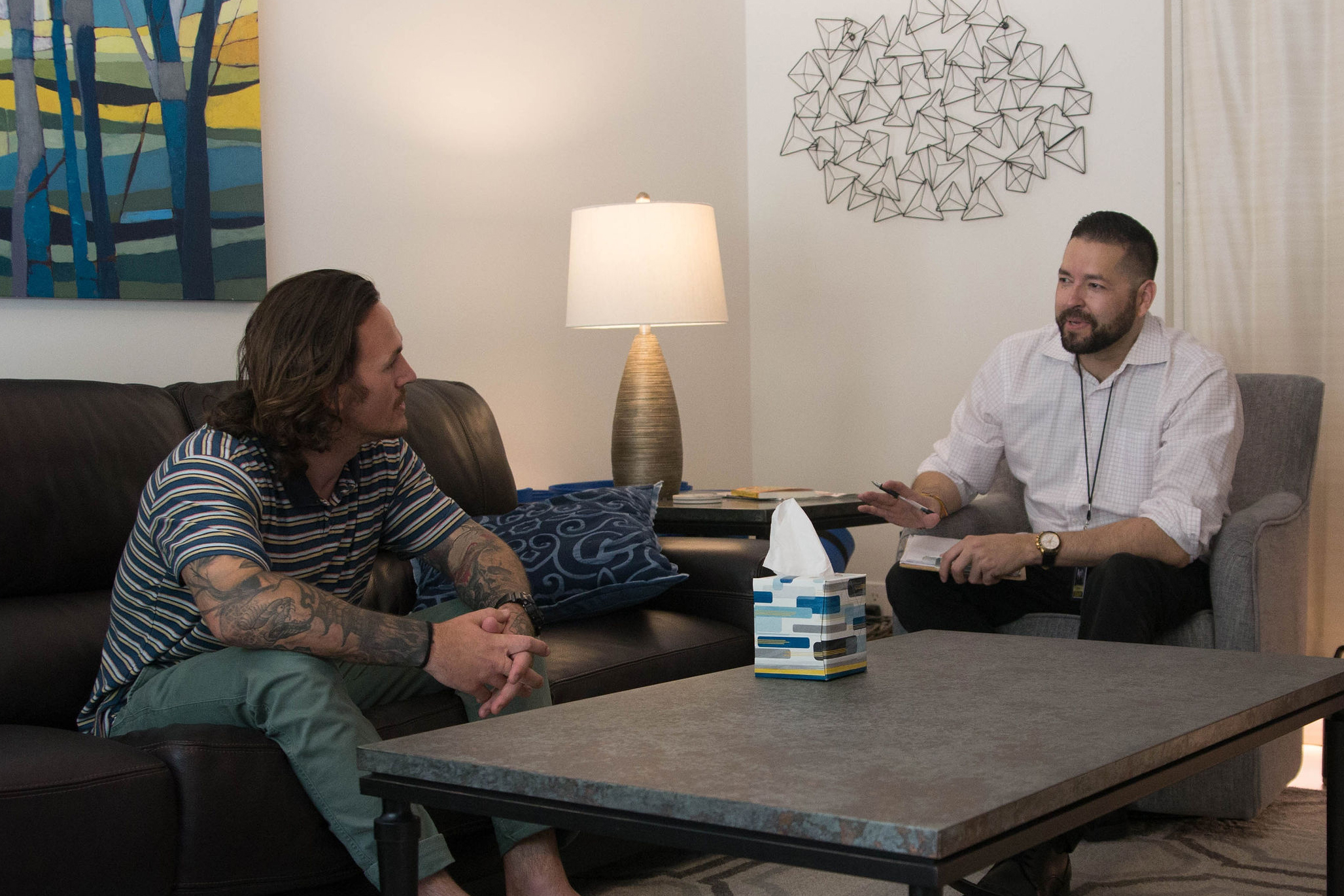

READ MORE
Treatment Services
June 27by Capo Canyon0 Comments

Parenting Advice for People Who Are Going Through Recovery

When you are going through addiction treatment and recovery, fulfilling parental responsibilities can be challenging. If you have felt guilty about how your addiction has disrupted the lives of your family, recovery can help you with this as well. The key is to find a balance between maintaining recovery progress and reintegrating into normal family life.

Your Recovery Is a New Beginning for Your Family

A big part of true recovery is recognizing the harm your addiction has brought to your loved ones, including your spouse and your children. In order for you all to move on, you need to own your past mistakes. Explain to them why substances have affected your behaviors and offer an apology. Meanwhile, tell them that you need a period of time to recover from addiction, but that you are also committing to a new beginning.

The foundation of this new beginning is your relationship with your partner. Try to have honest and humble conversations about how to move on. Both of you should realize that children’s personalities are developing during this time, and they are highly susceptible to what is happening in the home. Set priorities and commit to working together as a team.

Be Present and Set Boundaries for Children

Addiction makes most parents unable to fulfill their responsibilities, including being physically and emotionally present in the lives of their children. Being present means offering open communication about what is happening in each other’s lives. You need to learn how to open up and also how to engage in conversations with your child. Investing time in playing or tutoring your child can rebuild trust.

Many recovering individuals become too permissive in parenting because of guilt. You need to know that firm and healthy boundaries are the best things you can gift your children in life. This will help children form healthy habits and lifestyles, protecting them from future risks. Make sure that these boundaries are consistently maintained by both you and your partner.

Educate Your Children About the Science Behind Addiction

Most likely your children know about your substance use problems. There is no way to hide that from them. If they ask questions, do not deny the truth or feel ashamed. Instead, use these questions as teachable moments to converse with your child about why substances are harmful. Educate them early before the temptation of substance use presents itself later in their life.

Speaking openly about addiction with your child is a powerful way to dispel the harmful stigma attached to substance use. By being honest and vulnerable, you will not lose your child’s respect. Quite the opposite, you are setting an example of overcoming a complex disease. Also explain to your child that since you are recovering from this disease, you need emotional support from him or her.

Manage Stress and Practice Self-Care

Parenting can be stressful. Children have constant needs. It can be tempting to overcommit and overschedule parenting duties. Monitor your stress level, and if you need space to de-stress, ask for help from your partner or another supportive family member. Make sure not to over-burden yourself because stress is a trigger for relapse.

Do not let parenting take up all of your schedules. Even before waves of stress arrive, you should build breaks and space for self-care. Reserve one afternoon for yourself to spend time alone in nature. Begin every day with a short meditation or physical exercise. Join a monthly hobby group and commit to it. Choose activities that bring you relaxation and joy and commit to them.

Know the Warning Signs of Relapse

Before you achieve long-term sobriety, you need to be aware of possible relapses. Continue to meet with your support group or therapist who can help strengthen that alertness. Watch for triggers such as boredom, stress, isolation, or lack of sleep. Even when cravings re-emerge, make sure you have a sober support person to call. If necessary, re-enter yourself into residential treatment for some time to consolidate progress.

When you are on the verge of relapse, it is important to explain to your children that you will not be able to take care of them for an amount of time because your disease is coming back. Do not deny the problem and vanish from their lives. Instead, explain to them what you need to get better. Since you promised open communication with them, it is important to carry it out.

Many children tend to believe that the parent’s addiction is somehow their fault. You need to make it clear that they are not to blame. If your children need extra support in healing from the impact of your addiction recovery, there is also family therapy that cares for children’s needs.

Parents who are struggling with substance addiction need extra support in parenting. On the one hand, you no longer want to miss out on your children’s lives. On the other hand, you need to take care of yourself to maintain recovery progress. You need to find a treatment center that helps you back on your feet. At Capo Canyon Recovery, near Mission Viejo, CA, we know how to care for families. Your sobriety matters the most. Our holistic path helps to heal the body, mind, and spirit. We focus on each stage of recovery, both in terms of physical health and mental health. Our inpatient residential care and outpatient, long-term care programs offer unmatched benefits. We provide excess comfort with an in-house chef, luxurious beds, and an onsite organic garden during your sobriety journey. We have a support system for your family as well. Call us at (800) 804-8714.

READ MORE
Addiction and Rehab News
December 11by Capo Canyon0 Comments

The Importance of Addressing Mental Illness in Addiction Recovery

There is a very strong relationship between addiction and mental health. Some people use drugs or alcohol to self-medicate the symptoms of a mental illness such as PTSD or depression, whereas others develop the symptoms as a direct result of substance abuse

READ MORE
Healthy Communication
September 25by Capo Canyon0 Comments

How to Relate to Someone with an Addiction

Watching a loved one destroy their lives through drug or alcohol abuse can be extremely painful. However, understanding how addiction illness affects a person’s behavior can go some way to making it easier to find the right treatment. Addiction is characterized by an uncontrollable compulsion to abuse substances. The sufferer will be unable to quit using drugs or alcohol despite the extensive damage it may be doing to their lives.

READ MORE
Healthy Communication
August 09by Capo Canyon0 Comments

What to Do When you Think a Loved One is Addicted to Drugs

Unfortunately, substance use disorder is an illness that is sweeping the nation, largely due to the rising number of people taking opiate-based prescription drugs. However, our understanding of addiction as an illness is better than ever before and there are now numerous ways for people struggling to cope to get the treatment they need.

Recent Posts
  • Navigating the Insurance Verification Process for Treatment
  • PTSD and Substance Use: Integrated Treatment for Executives
  • CBT for Addiction Recovery: What It Is and Why It Works
  • Alcohol Addiction Rehab California: A Personal Recovery
  • EAP Employee Assistance Programs: A Complete Guide
Categories
  • Addiction
  • Addiction and Rehab News
  • Detox and Recovery
  • Detox Services
  • Healthy Communication
  • Healthy Living
  • Holistic Services
  • Sobriety
  • Treatment Services
  • Uncategorized

Need help? Call our caring admissions team at (949) 382-1100

Recent Reviews

"I needed to work quite a bit while I was in rehab and I was able to make every conference call and respond to every email without missing a step."
KayCapo Alumni
“The staff actually listens and pays attention, which matters more than people realize when you’re struggling.”
JenniferCapo Alumni
"The small number of clients is a huge benefit — everyone gets really personalized service and treatment."
JayCapo Alumni

Navigating the Insurance Verification Process for Treatment

Read More »

PTSD and Substance Use: Integrated Treatment for Executives

Read More »

CBT for Addiction Recovery: What It Is and Why It Works

Read More »

Navigating the Insurance Verification Process for Treatment

August 20, 2026

You're trying to get an executive into treatment quickly. The bed is available, the family has

Read More »

PTSD and Substance Use: Integrated Treatment for Executives

August 19, 2026

You finish a difficult board meeting, return to a quiet hotel room, and pour a drink

Read More »

CBT for Addiction Recovery: What It Is and Why It Works

August 18, 2026

You're responsible for decisions, people, and outcomes all day, yet a private concern keeps interrupting your

Read More »

Alcohol Addiction Rehab California: A Personal Recovery

August 17, 2026

You're leading a company, managing a practice, flying routes, defending clients, or carrying responsibility for people

Read More »

Begin Confidentially

Name(Required)
NAATP logo
joint logo
DHCS

Licensed by the State Department of Health Care Services #300359AP expires 10/31/26

Capo Canyon Logo

Capo Canyon Recovery offers licensed and accredited detox and residential treatment in Orange County. Call us to start your recovery journey today.

Twitter Facebook-f Instagram

Treatment

  • Stabilization
  • Residential Inpatient
  • Addiction Therapies
  • Holistic Treatment
  • Dual Diagnosis
  • Privacy Policy

Who We Are

  • About Us
  • Tour Facility
  • FAQs
  • Admissions
  • Verify Insurance
  • Blog
  • Contact

Contact

  • Mission Viejo, CA 92675
  • (949) 382-1100
  • [email protected]

© 2026 All rights reserved