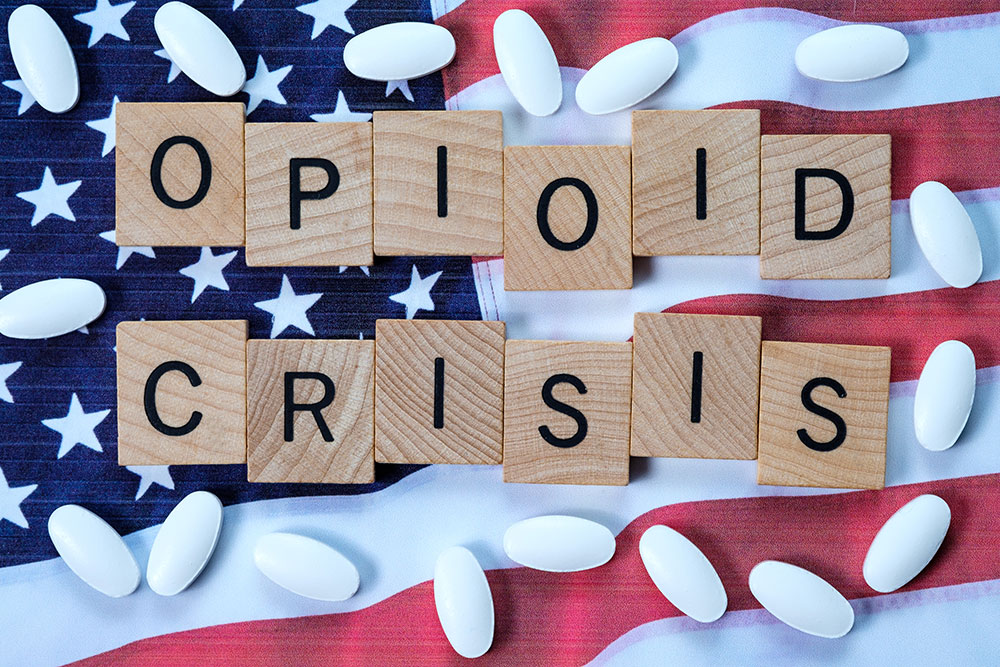
The United States Has Declared an Opioid Public Emergency
Dependency can be reliance on a substance, activity or person where an individual treats something or someone as more important than themselves.

Dependency can be reliance on a substance, activity or person where an individual treats something or someone as more important than themselves.
There comes a point in all our lives when we experience the loss of someone we love and care about deeply. For some, the overwhelming feelings of grief and loss that follow bereavement can trigger a return to destructive addictive behaviors. An inability to express clearly what someone is thinking and feeling, particularly when they’re not able to process those thoughts and feelings themselves, can result in a need to self-medicate with alcohol or drugs.
Shifting from the old year into the new gives us all the opportunity to take a retrospective look at our lives and make adjustments for a more positive future. This is especially important for recovering addicts who can benefit greatly from focusing more on what is to come, rather than dwelling on what has been. Making New Year resolutions is a great way to incorporate new, healthy behaviors into your life while eliminating the habits or attitudes that hold you back from a full life in sobriety.
Dependency can be reliance on a substance, activity or person where an individual treats something or someone as more important than themselves.
There is a scientifically proven connection between the shorter days and longer nights of the winter months and mental health disorders, with more people reporting symptoms towards the end of the year than at any other time. But what is it that makes us more susceptible to mental health issues at winter time?
Addiction and mental illness often go hand-in-hand. However, it is not always clear which condition preceded the other and each individual patient is different in this respect. Nevertheless, the fact remains that the majority of people with drug or alcohol addiction disease are also suffering with another mental disorder such as depression or anxiety. These cases are known as ‘dual-diagnosis’ and it is absolutely crucial to identify both conditions and treat them separately in order to heal them.
Because addiction is a mental illness, it is often difficult for sufferers to express the feelings or thought processes driving their compulsion to abuse alcohol or drugs. Creative therapies such as art therapy in recovery provide patients with the tools to express themselves through methods other than medical treatment or psychotherapy.
For a large proportion of people with alcohol or drug addiction issues who are looking to quit, professional detox treatment is not an option. Sometimes it is the cost of professional detox that deters them, but in many cases it is lack of education of what is involved in detox that leads to many thinking DIY alcohol detox is the best way forward. However, there are many reasons why DIY alcohol detox does not work and in some cases, can be extremely detrimental to someone’s health.
Some people with addiction issues find themselves faced with difficulty financing their detox or feel confident they are able to complete the process on their own. However, there are many reasons DIY detox is ineffective, which we will examine here.
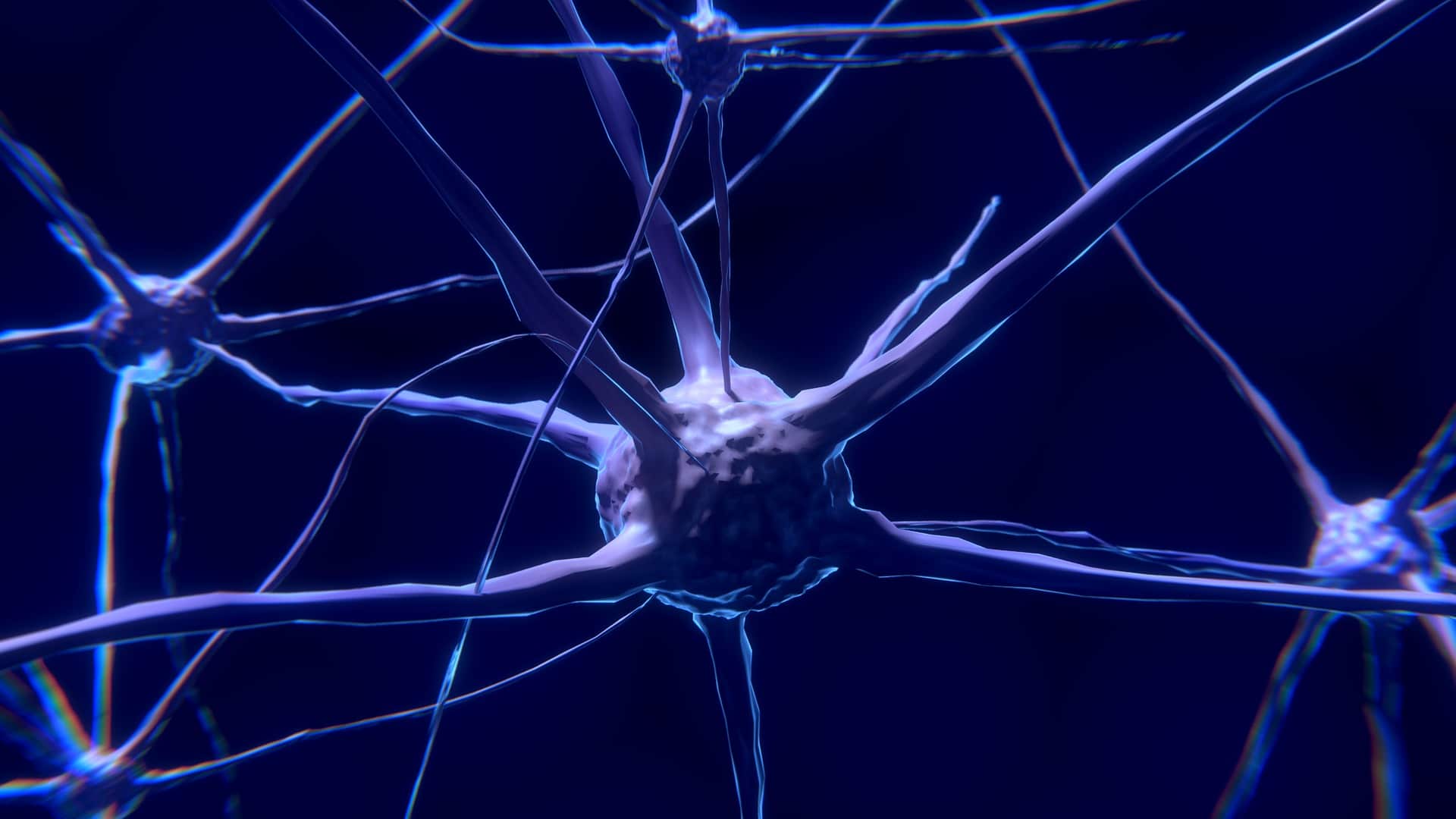
Opioids and heroin have specific effects on the brain that can make them particularly difficult drugs to detox naturally. According to research, there are a few natural opioids produced by the body including endorphins that effect specific protein receptors in the brain to give a feeling of wellbeing. This is the reason why physical activity often gives you a buzz or ‘high’ feeling.